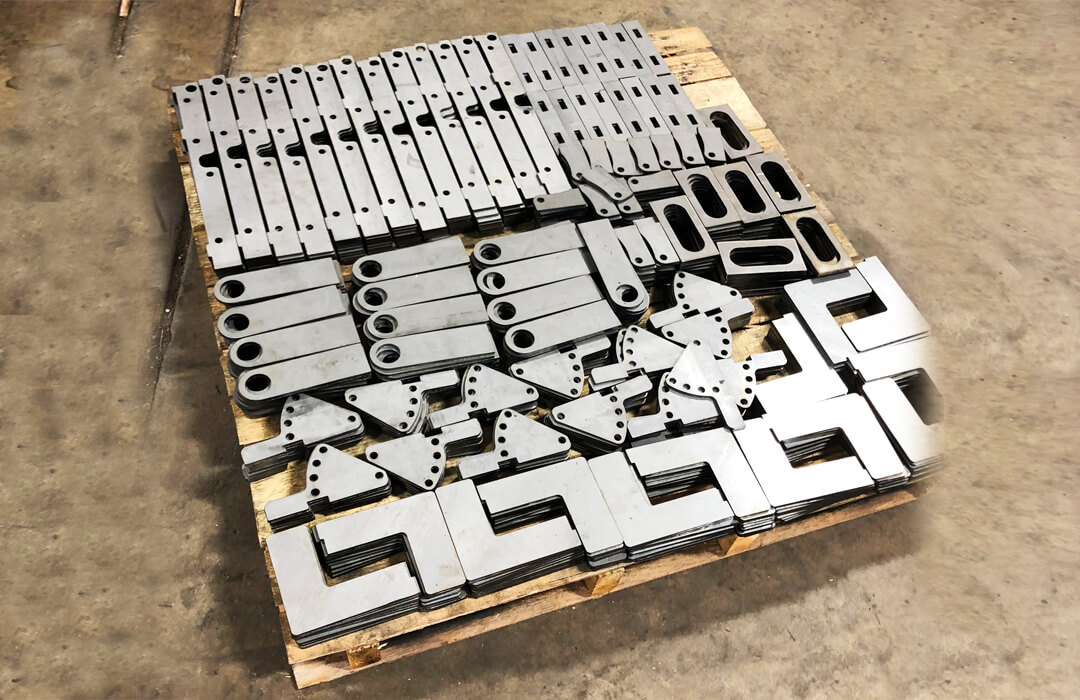
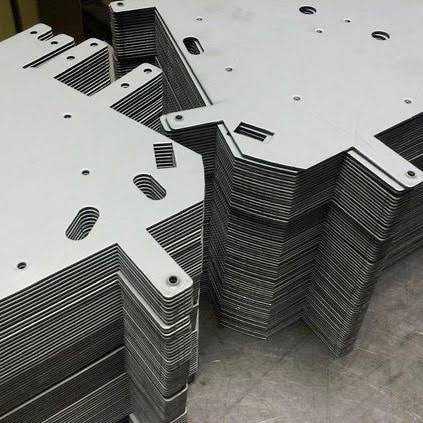
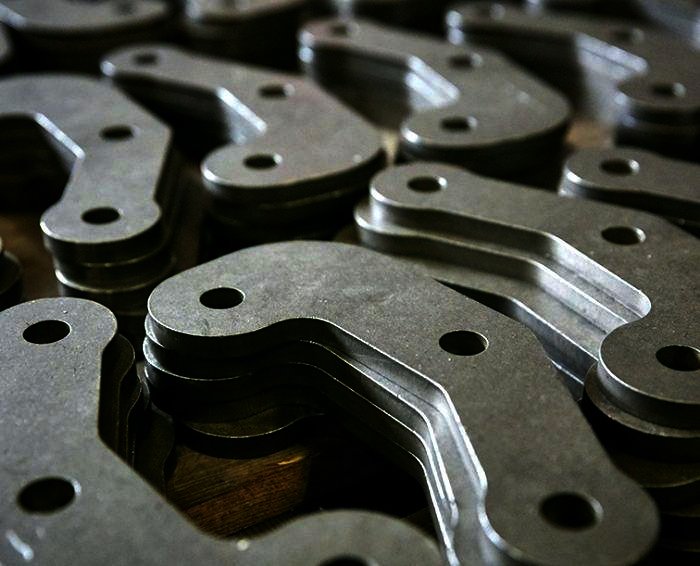
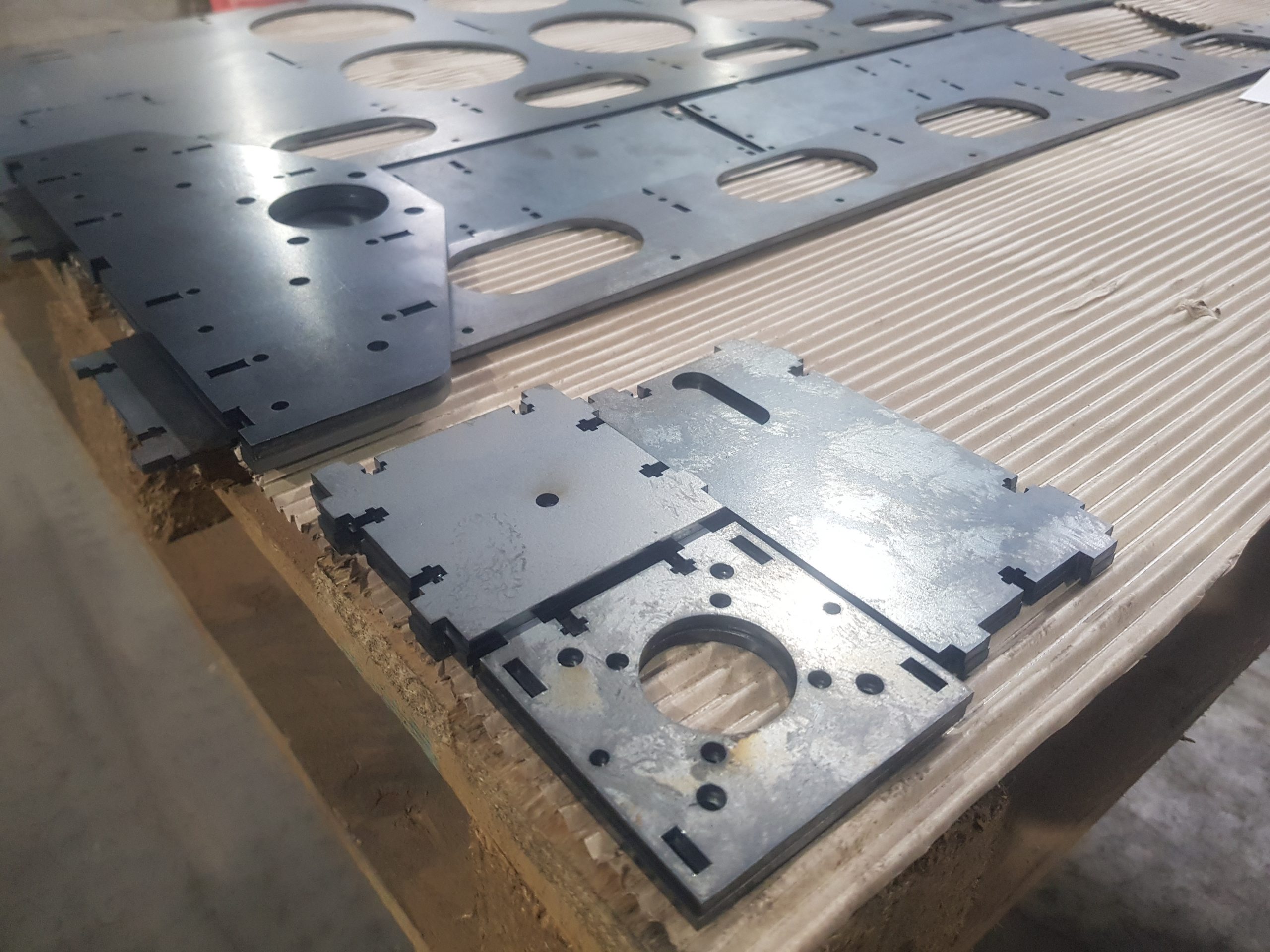
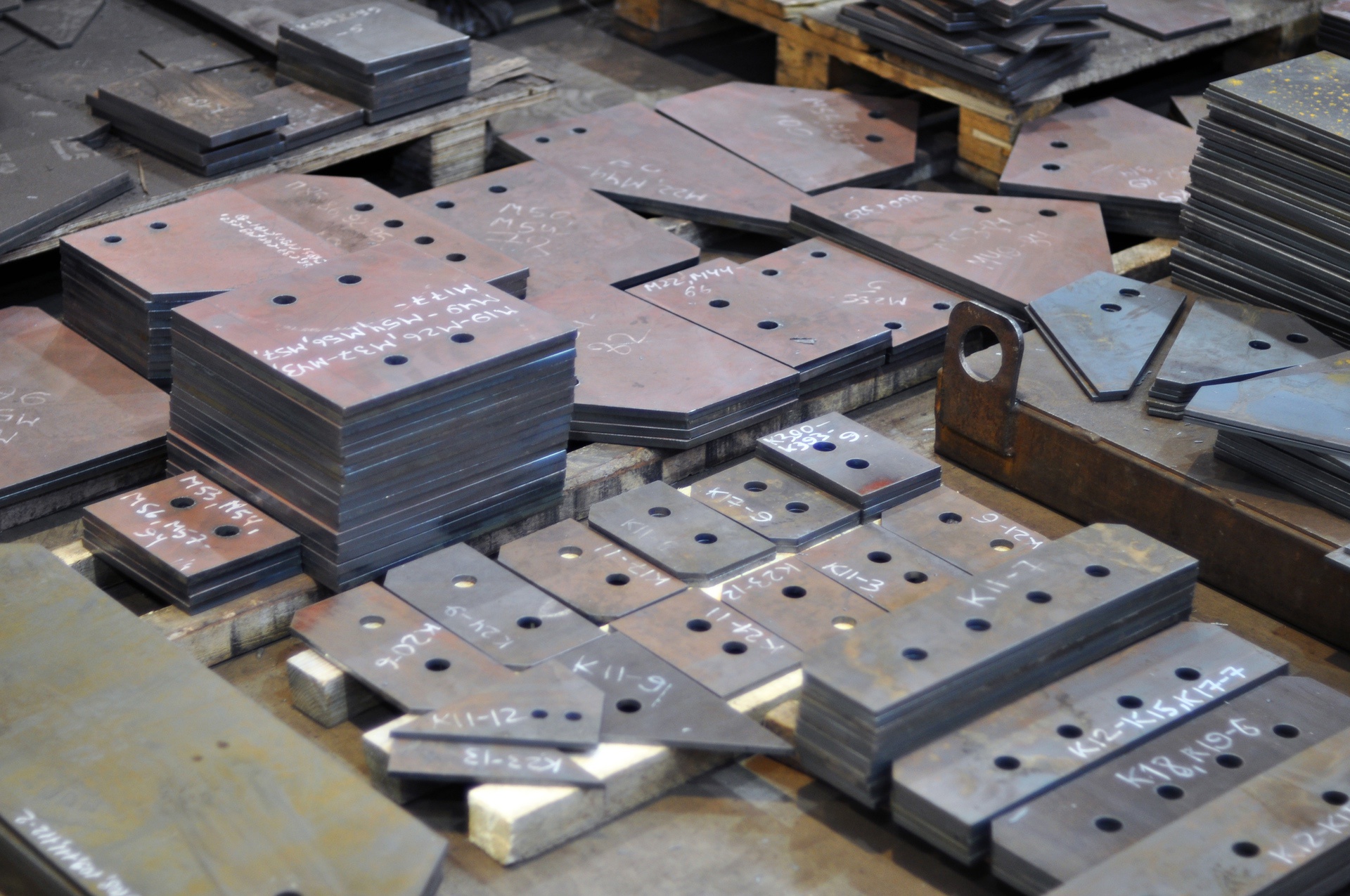
Novelty Structures provides CNC fibre laser cutting services for carbon steel, stainless steel and aluminium from our manufacturing facilities in Turkey.

Quality Control of Laser Cutting
The quality control starts from pre-process activities and concludes with functional testing and documentation. The below table outlines the necessary actions for quality management in laser cutting.
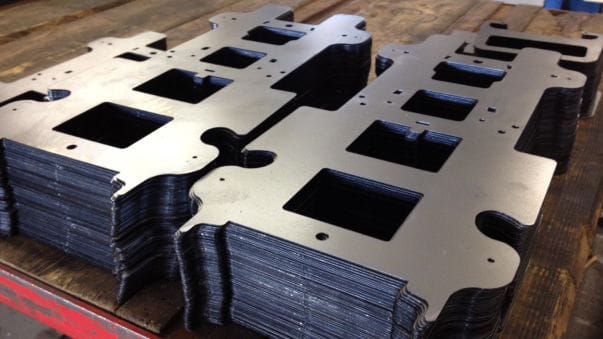

Laser Cutting Finishes
Metal finishes are surface treatments applied to metal products to improve their appearance, durability, or functionality. Here are some common types of metal finishes.
7 Challenges in CNC Laser Cutting
Design the Laser-Cut Part for What Happens Next
Most laser-cut parts need more work after cutting. In subcontract fibre laser cutting, the cut profile is often only the first step: parts may then be bent, welded, machined, coated or assembled. We plan each laser-cut component around the finished part rather than treating cutting as an isolated operation.
 Laser cutAccurate profile
 BendForm into shape
 WeldJoin components
 MachineCritical features
 CoatSurface protection
 AssembleFinished part
Bending
Moving a slot by a few millimetres can make the part easier to bend.

Welding
Tabs and slots can help position parts before welding.

Machining
If a hole must line up after welding, it may be better to machine it later.

Nesting
Changing a part’s orientation can sometimes fit more pieces on a sheet.
Example: 250 Mounting Brackets
Suppose a machine manufacturer needs 250 custom carbon-steel brackets produced by CNC fibre laser cutting, bending and coating.
mounting brackets


Before production, we would check three points:
Hole position after bending
Will the holes line up after bending? Laser-cutting and bending tolerances need to be considered together.
Sheet utilisation
How many brackets fit on a sheet? A small profile change might reduce scrap across the batch.
Finishing requirements
Which edges need finishing? A concealed bracket may need less cosmetic work than a visible panel.
Illustrative example, not a specific customer project.
What Affects the Price of a Laser-Cut Part?
The overall size is only one part of the quotation.

Material grade and thickness
Affect material price, cutting settings and cutting speed.

Total cutting length
Two parts of the same size can take very different amounts of time to cut.

Holes and slots
Each piercing and internal feature adds work.

Material utilisation
Good nesting can reduce scrap, particularly with costly materials.

Quantity
Setup and handling costs are spread over the order quantity.

Work after cutting
Bending, welding, machining, coating and assembly affect the finished price.
When Is Fibre Laser Cutting the Right Process?
For sheet metal laser cutting, fibre technology is well suited to complex profiles and repeatable production. In UK and European procurement, this work may also be described as laser profiling. It is not automatically the best process for every part.
Suitable for
- Complex profiles
- Repeatable geometry
- Fine features
- Design changes
- Prototypes and batches
- Mixed-part nesting
Check alternatives for
- Very thick plate
- Simple straight cuts
- Different edge requirements
- Parts needing substantial machining
- Jobs where sawing or plasma may cost less
From Prototype Laser Cutting to Repeat Production
The priorities change as a custom laser-cut part moves from a first sample to batch, series and repeat production.
01 / Prototype

Cut a first part without dedicated tooling. Check the fit and revise the drawing.
02 / Batch or series production

Plan nesting, bending and inspection around the batch quantity.
03 / Repeat production

Keep the process and material consistent. Confirm the drawing revision for every order.
What Should You Send for a Laser-Cutting Quote?
For custom laser-cut parts, send the complete component drawing if you have it. It helps us review the laser cutting, material utilisation, critical tolerances and any work that follows.
Useful information
- Drawing or CAD file
- Material grade and thickness
- Quantity and drawing revision
- Critical tolerances
- Edge and surface requirements
- Bending, welding or machining
- Coating and assembly
- Inspection and material certificates
- Marking and packaging
Not sure how a feature should be made?
Mark the critical features and tell us how the part will be used. We can check whether to cut, drill, form or machine them.
 Cut
Cut
 Drill
Drill
 Machine
 Form
Form
 Weld
Weld
We can review the complete laser cutting and fabrication sequence before quoting.
Send Your Drawing →Before Placing a Subcontract Laser-Cutting Order
Five points to confirm when comparing laser cutting services and suppliers.
01Can they process the specified material, grade and thickness?
Check their actual production capability for your material and thickness.
02Are the proposed tolerances suitable for the critical features?
Precision laser cutting does not mean one tolerance applies to every feature. Outside profiles, small holes, flatness and hole position may need different checks.
03Who handles the work after cutting?
If the order includes laser cutting and bending, welding, machining or coating, agree responsibility for the finished result.
04How are repeat orders and drawing revisions controlled?
For batch and repeat production, identify the correct drawing revision on each order.
05What inspection and documentation do you need?
Agree material certificates, dimensional reports and traceability before production starts.
FAQ
Laser cutting is a manufacturing process that uses a high-powered laser beam to precisely cut, engrave, or shape materials. The laser beam is focused onto the material, melting, burning, or vaporizing it along a predefined path. This results in clean, accurate cuts with minimal material waste.
Laser cutting works on a wide range of materials, including:
- Metals: Steel, aluminium, stainless steel, brass, copper.
- Non-metals: Plastics, wood, glass, acrylic, and composites.
While highly effective, laser cutting does have limitations:
- Material Thickness: Thicker materials may require higher power or slower speeds, which could increase costs.
- Reflective Materials: Some materials, like copper and brass, can reflect laser energy, making them harder to cut.
- Initial Costs: The machinery and setup costs are significant, though long-term savings often offset this.
Typical tolerances depend on the material and equipment but generally range from ±0.1 mm to ±0.2 mm. High-precision equipment may achieve even tighter tolerances.
Several factors influence the cutting results, including:
- Material type and thickness
- Laser power and focus
- Cutting speed
- Gas type and pressure used during the cutting process
- Proper maintenance of the equipment
Lead times vary based on project complexity, material availability, and workload. For simple designs, lead times can be as short as 1–3 days, whereas complex projects may take longer.
Yes, laser cutting is suitable for both prototyping and high-volume production. Its repeatability ensures consistent results across large batches.
Laser cutting is generally non-contact, minimizing mechanical stress on materials. However, localized heat can cause slight thermal effects, such as discoloration or minor hardening, depending on the material.
The cost depends on material type, thickness, project complexity, and production volume. While the initial setup may be higher, laser cutting often reduces overall costs due to precision and minimal material waste.
Yes, laser cutting is highly effective for prototyping. It allows engineers to quickly iterate designs, test functionality, and refine geometries with minimal lead time.
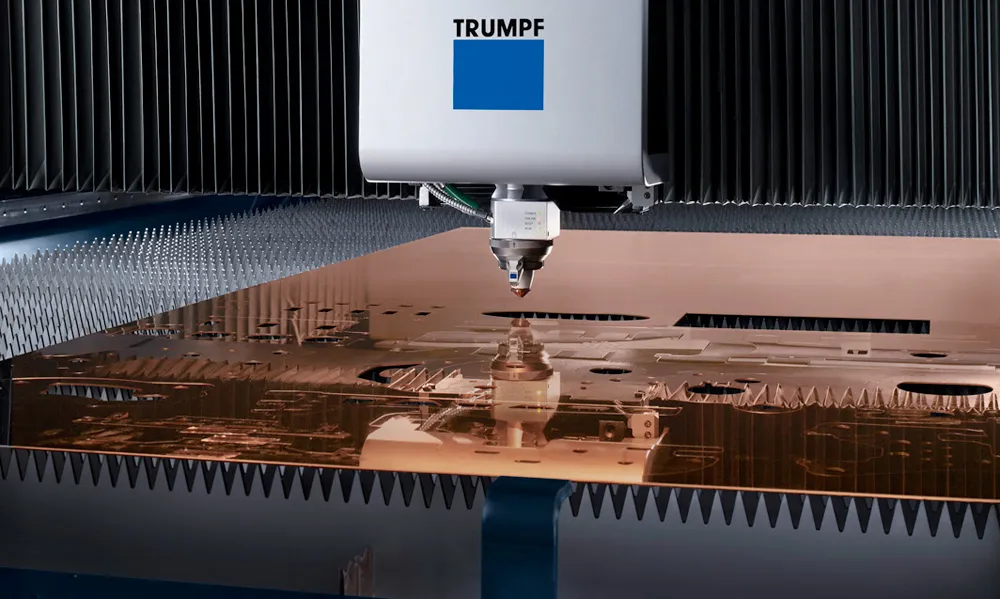
What is Novelty Structures offering?
Novelty Structures operates CNC fibre laser cutting equipment as part of its wider metal fabrication capability in Turkey.
We manufacture bespoke laser-cut sheet metal parts and fabricated components for industrial customers and can combine cutting with bending, welding, machining, assembly and coating where required.
For structural components within the applicable scope, manufacturing and quality requirements can be managed in accordance with the relevant EN 1090 requirements.
Customers looking for more than a cutting-only supplier can combine laser cutting with our Sheet Metal Fabrication, Metal Bending, Welding and Contract Manufacturing services.

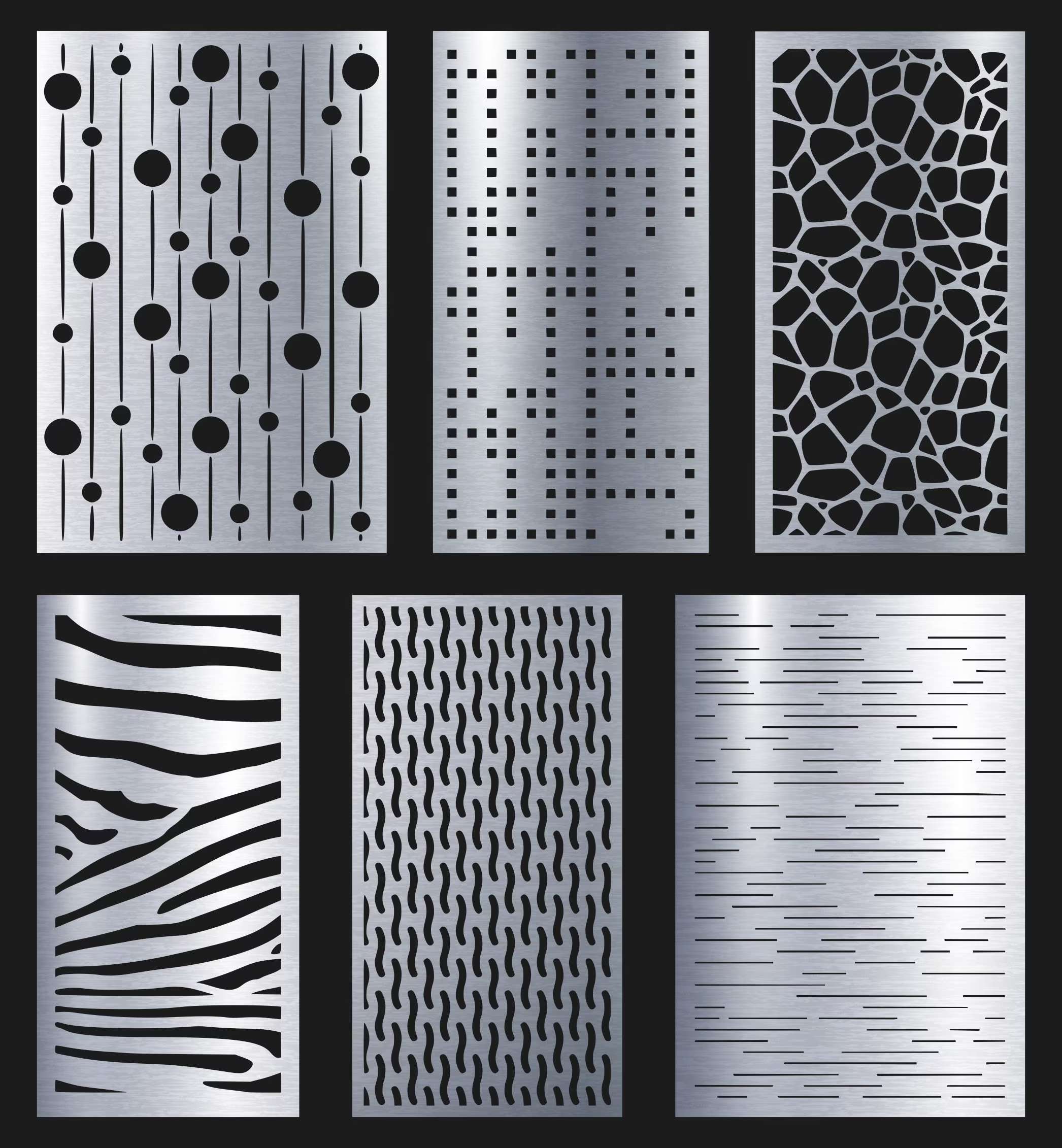
Gallery